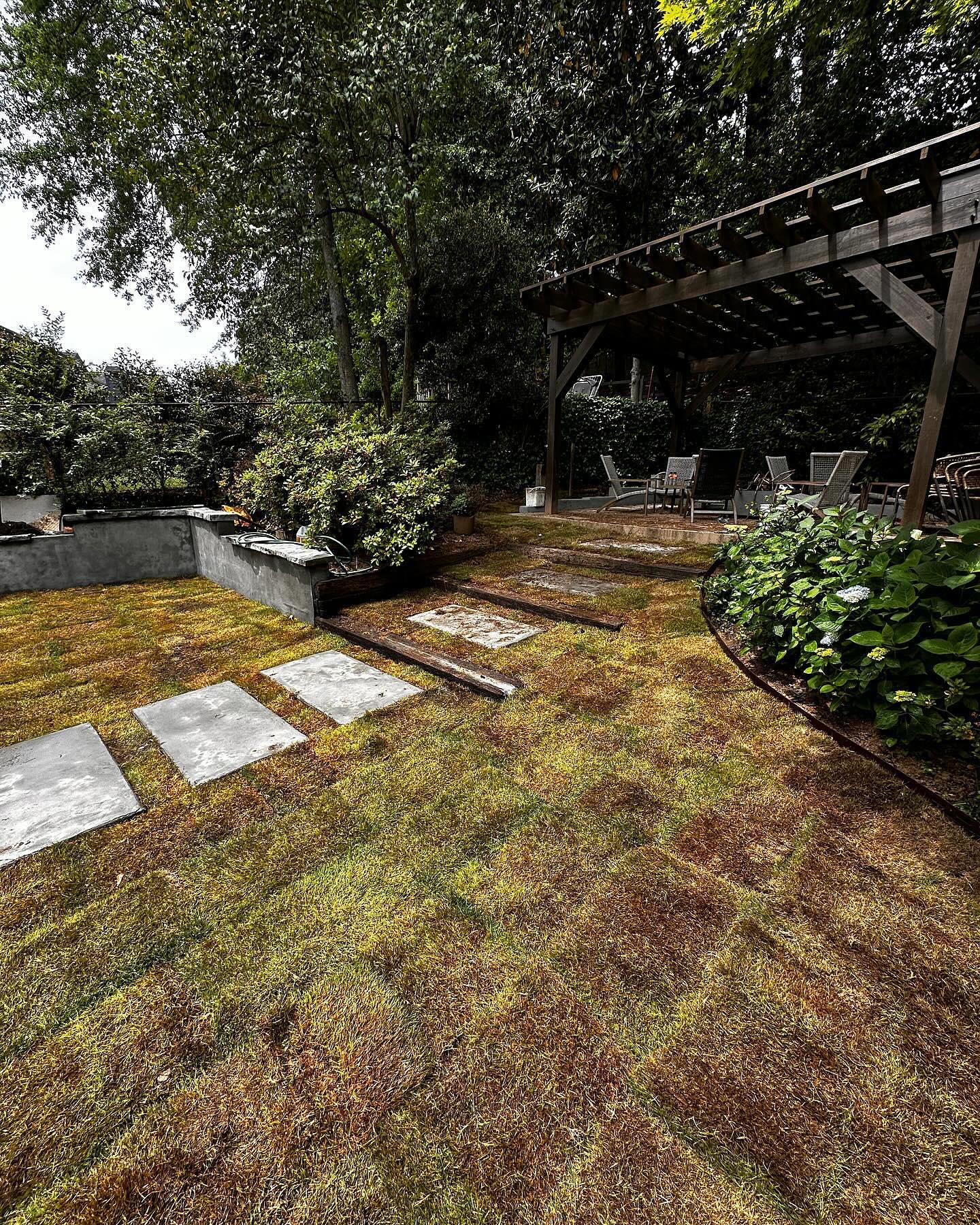
Crafting Living Art: How to Use Plant Combinations for Stunning Landscapes Apr 14, 2026
To begin the journey of crafting living art through plant combinations, it is essential to consider the varying characteristics of individual plants. Factors such as color, texture, height, and bloom time play critical roles in determining the overall look and health of the landscape. By combining plants with complementary features, you create visual balance and ensure that different elements in the garden do not compete but rather harmonize with each other.
Color is a primary consideration when designing a landscape. Cool hues like blues and purples bring a sense of calm and serenity, making them perfect for creating restful garden areas. Warm colors such as reds, oranges, and yellows attract attention and can be used to create focal points or energize spaces. A successful landscape often balances these colors to guide the eye throughout the garden. For instance, pairing purple salvias with yellow coreopsis not only draws attention but also creates a striking contrast.
Texture is another important aspect that can be used to add depth and interest to landscapes. Combining plants with varied leaf shapes, sizes, and surfaces contributes to a rich, layered look. Mixing the bold, broad leaves of hostas with the fine, wispy foliage of ornamental grasses offers a delightful textural contrast that enlivens any garden bed without overwhelming it.
Height and structure play pivotal roles in defining spaces within your landscape. Tall plants can be employed as natural dividers or backdrops, creating a sense of enclosure and privacy. Short plants and groundcovers can be strategically placed at the front of garden beds to soften edges and create a cohesive flow. Consider using layers by planting in tiers, starting with low-growing species at the forefront and progressively taller plants towards the back. This not only maximizes use of space but also ensures that each plant receives ample sunlight.
Bloom time is a subtle yet critical factor for maintaining consistent interest throughout the seasons. By selecting plants with staggered flowering periods, you ensure that your garden offers beauty year-round. For instance, spring-blooming bulbs such as tulips and daffodils can be complemented with summer perennials like coneflowers and autumn bloomers like asters to provide a continuous display.
Creating stunning landscapes using plant combinations is a thoughtful process that requires understanding the intricacies of plant behavior and environmental conditions. At Hedgecraft Landscaping LLC, we are dedicated to designing gardens that not only look spectacular but also thrive and adapt to their surroundings. Whether you’re embarking on a new landscaping project or revitalizing an existing garden, the art of combining the right plants can dramatically transform your outdoor space.
As you embark on this horticultural journey, remember that landscapes are dynamic and ever-changing. Regular maintenance and a keen eye for observation will allow your living masterpiece to evolve successfully over time. Our hope is that your landscape becomes not just a reflection of nature's beauty but also of your personal style and passion for garden artistry.
/filters:no_upscale()/filters:format(webp)/media/a7fa88c0-430b-475b-a0f0-ddd3f084a518.jpeg)
/filters:no_upscale()/filters:format(webp)/media/11619f1b-e8b7-4312-9875-480831e5764d.png)