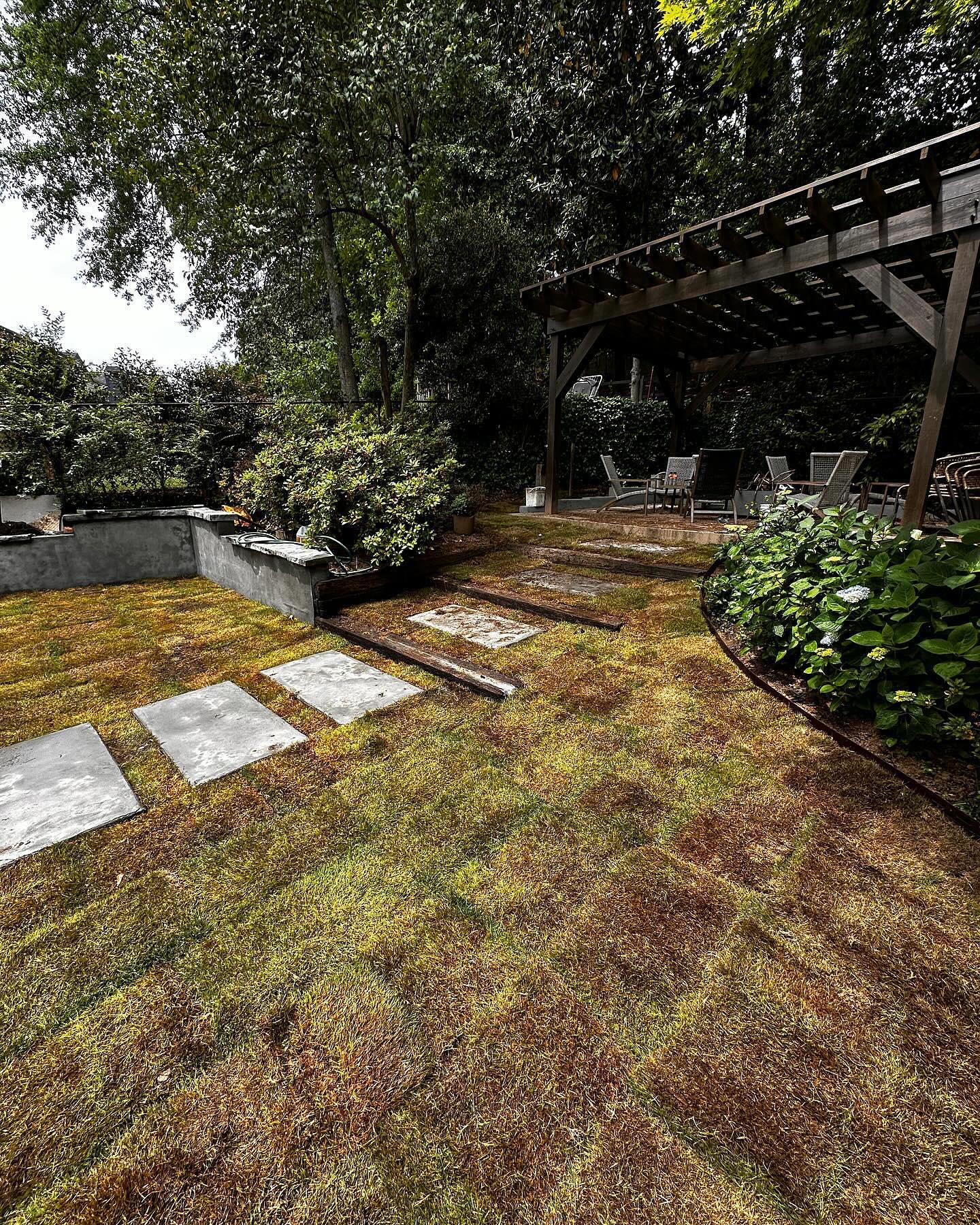
Crafting the Perfect Outdoor Retreat: Expert Tips for Landscaping and Hardscaping Harmony Jun 21, 2026
Begin your journey by evaluating the current state of your outdoor space. Take stock of existing elements like trees, pathways, or any water features and envision how they can be enhanced to create a cohesive landscape. A thorough site analysis helps in understanding the natural flow of the area, sunlight patterns, and soil quality, all of which are crucial for making informed decisions about planting and paving.
Once you've mapped out your space, define its primary purpose. Decide whether you want a quiet retreat with emphasis on lush greenery and comfortable seating or an entertainer’s paradise complete with a barbecue area and ample room for guests. Having a clear vision will not only guide design choices but also ensure that the space meets your practical needs.
In the realm of landscaping, plant selection is paramount. Opt for a mix of perennials, shrubs, and ornamental grasses to add texture and color year-round. Choose native plants that are well-suited to the local climate and require less maintenance, which is not only eco-friendly but also cost-effective. Layering plants based on height, bloom periods, and foliage color can create visual interest and harmony.
Hardscaping elements like patios, walkways, and retaining walls provide structure and functionality to the landscape. Choose materials that complement the architectural style of your home while blending seamlessly with the surrounding environment. Natural stone, brick, and wood are excellent choices for a timeless appeal. Pay attention to scale and proportion to avoid overwhelming smaller spaces or leaving larger areas underutilized.
Lighting is an often overlooked but essential component in landscaping and hardscaping design. Incorporate a variety of light sources such as pathway lighting, spotlights for highlighting key features, and ambient lights for an inviting atmosphere. Effective lighting not only enhances aesthetics but also extends the usability of outdoor areas into the evening hours.
Incorporating water features like fountains or ponds can add a touch of serenity and luxury to any garden. The sound of flowing water creates a soothing environment and can also serve as a focal point that draws people into the space. Consider placing these features in areas where they can be easily maintained and appreciated from multiple vantage points.
Lastly, practice sustainability by integrating eco-friendly practices into your design. Rainwater harvesting, composting, and planting drought-resistant species are ways to reduce the ecological footprint of your garden. Sustainable practices not only contribute to environmental well-being but can also reduce long-term maintenance costs.
Creating a harmonious outdoor retreat that blends landscaping and hardscaping is an art that involves thoughtful planning and execution. At Hedgecraft Landscaping LLC, we are committed to helping you realize your vision of the perfect outdoor space. By focusing on balance, functionality, and sustainability, your transformed outdoor area will not only increase the beauty and value of your property but also enhance your quality of life. Let us partner in crafting a serene retreat just outside your door.
/filters:no_upscale()/filters:format(webp)/media/a7fa88c0-430b-475b-a0f0-ddd3f084a518.jpeg)
/filters:no_upscale()/filters:format(webp)/media/11619f1b-e8b7-4312-9875-480831e5764d.png)