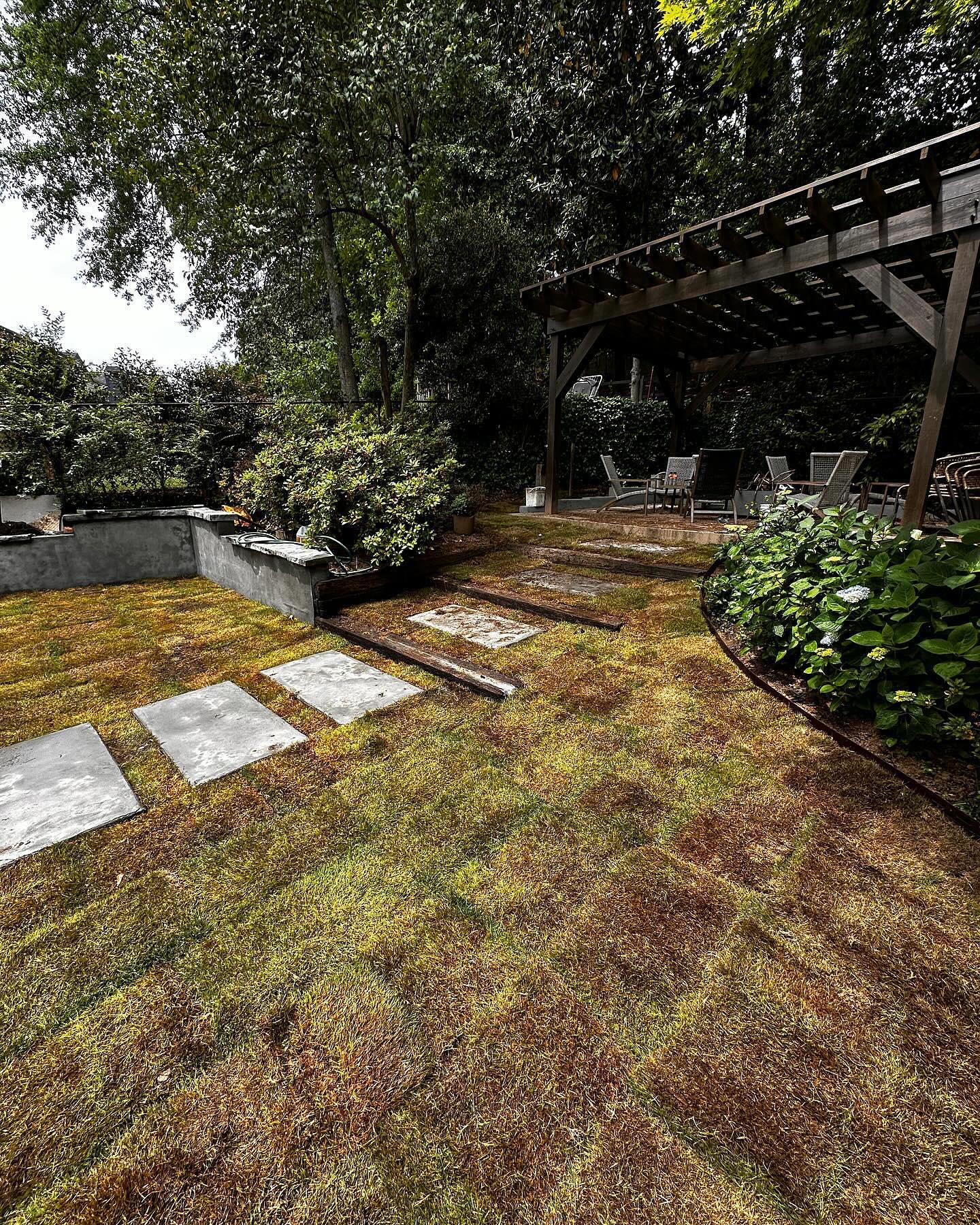
Harnessing the Beauty of Native Plants: A Guide to Sustainable Landscaping Apr 28, 2026
Native plants, as the name suggests, are species that have evolved naturally in a particular region and have adapted to the local climate and soil conditions. This makes them well-suited for sustainable landscaping as they require less water, fertilizer, and care compared to non-native species. Moreover, they provide habitat and food to local wildlife, supporting birds, butterflies, and beneficial insects.
The benefits of using native plants in landscaping are numerous. Firstly, they are drought-tolerant, reducing the need for frequent watering. This not only conserves water but also lowers your maintenance costs. Native plants are also resistant to local pests and diseases, reducing or even eliminating the need for chemical pesticides and fertilizers that can harm the environment. Thus, by choosing native species, you contribute to a healthier ecosystem and a greener planet.
A key step in sustainable landscaping is to evaluate your landscape conditions. Consider sunlight, soil type, and moisture levels. Native plants thrive when matched with their ideal conditions. For example, if your garden area receives full sun, opt for sun-loving natives like Black-eyed Susans or Purple Coneflowers. For shadier areas, consider using Woodland Phlox or Wild Ginger. These plants not only flourish under their preferred conditions but also bring vibrant colors and textures to any garden.
When planning your native plant garden, consider layers: ground cover, understory, and canopy. This not only mimics natural growth patterns of native ecosystems but also maximizes biodiversity. Ground covers such as Sedges and native Ferns can provide excellent soil protection and weed suppression. Shrubs like Spicebush or Serviceberry can offer both beauty and functional habitat for wildlife, while canopy layers can be built with native trees such as Oaks or Redbuds that provide shade and structural interest to the landscape.
Design considerations should also take into account aesthetics and functionality. Group plants with similar water, soil, and light needs together to ensure they thrive. Consider using curves and natural shapes in your design to reflect natural landscapes. Utilize native grasses for movement and sound in the breeze, and plant nectar-rich flowers that attract pollinators.
Proper maintenance is crucial to ensuring the success of a native plant garden. While native plants are low-maintenance, they are not no-maintenance. Routine weeding, occasional pruning, and protective mulching can help your native garden flourish. A little planning goes a long way, and the rewards—a sustainable, environmentally friendly garden full of life—are well worth the effort.
At Hedgecraft Landscaping LLC, we are committed to helping you harness the power of native plants to create stunning, sustainable landscapes that benefit both you and the environment. Whether you are starting from scratch or enhancing an existing garden, native plants are an excellent choice for a more sustainable future. Let us help you bring your vision to life with our expert landscaping services tailored to your unique setting.
/filters:no_upscale()/filters:format(webp)/media/a7fa88c0-430b-475b-a0f0-ddd3f084a518.jpeg)
/filters:no_upscale()/filters:format(webp)/media/11619f1b-e8b7-4312-9875-480831e5764d.png)