Inspired Living: How to Merge Nature and Architecture in Your Landscape Design Jun 26, 2026
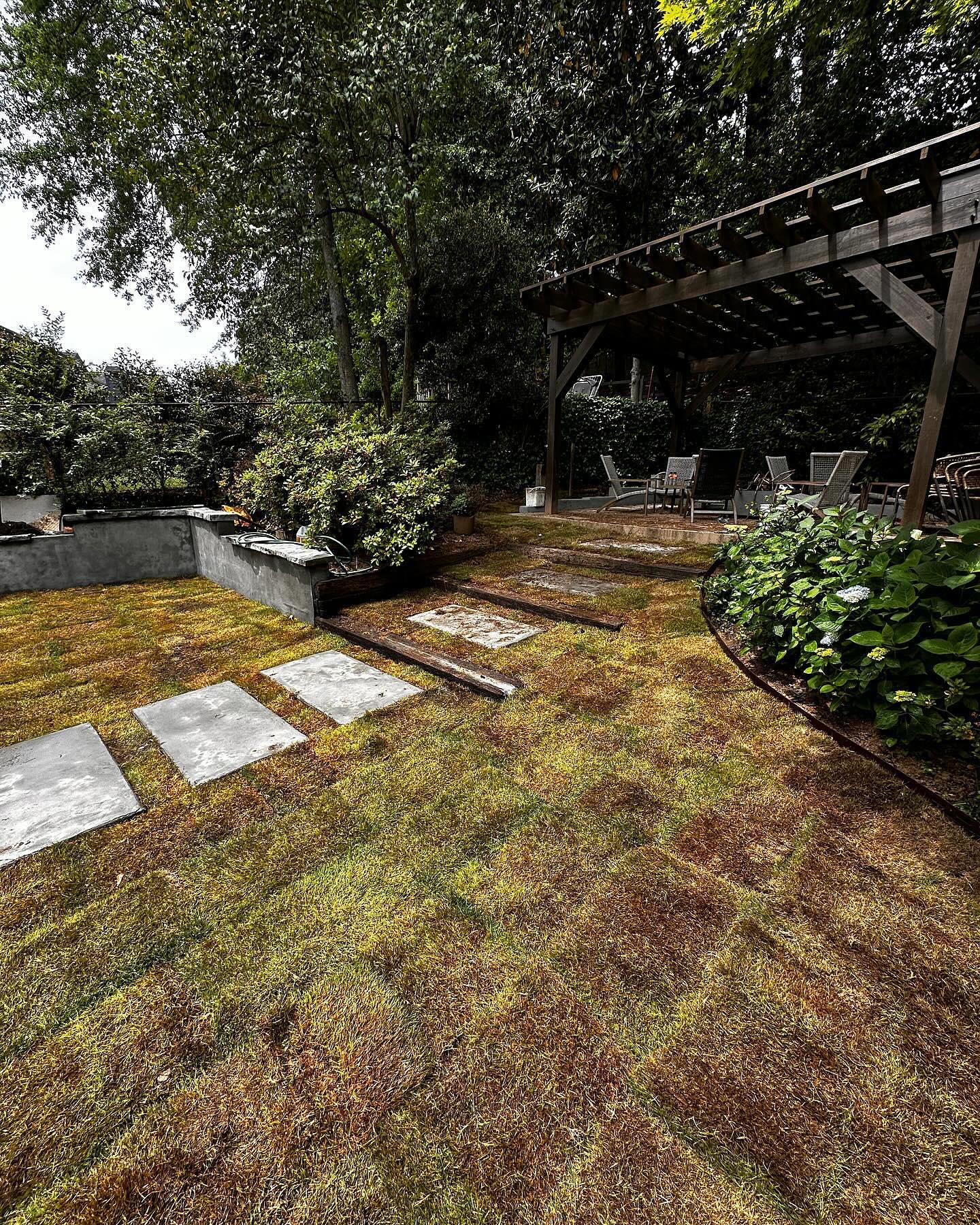
The first step in merging nature and architecture is to consider how your outdoor space interacts with your home. Start by observing the lines and materials of your house. Using similar materials in your landscape design, such as natural stone or wooden features, can create a seamless transition between your indoor and outdoor areas. For example, a stone pathway leading from your patio to a garden alcove echoes the texture and color of your home’s exterior, establishing a cohesive look.
Selection of plants plays a crucial role in nature-architecture alignment. Choose native plants that complement the architectural style of your home. For a modern home, sleek-lined ornamental grasses or minimalist plantings can reinforce a clean aesthetic, while a cottage-style garden might favor abundant floral borders that add a touch of charm. Native plants not only enhance visual harmony but are also more sustainable, requiring less water and maintenance.
Integrating functional elements is another way to blend nature and architecture effectively. Water features, such as fountains or ponds, can serve as focal points that naturally draw the eye and provide soothing sounds that enhance relaxation. Meanwhile, pergolas and arbors offer structure and shade, framing gardens while inviting nature to grow around them. Consider installing a vertical garden or green wall on an otherwise bare exterior, which can cool your home naturally while providing a lush outlook in a limited space.
Lighting is a subtle yet impactful way to unify your landscape. Thoughtful lighting highlights architectural details and emphasizes natural features. Use pathway lights to guide guests along garden paths, while uplighting can accentuate trees and shrubbery, creating a dramatic effect once the sun sets. String lights or lanterns can add a touch of warmth and charm, perfect for evening gatherings.
Utilizing hardscaping elements like patios, decks, and outdoor kitchens is another effective method to intertwine your home’s architecture with the natural landscape. These areas encourage outdoor living, providing spaces to enjoy nature comfortably. When selecting materials for these elements, consider how they will age over time in your climate, and choose options that will weather in harmony with your natural surroundings.
To maintain this balance between nature and architecture, ensure your landscape design is dynamic and capable of evolving with seasonal changes. Plan for year-round interest by incorporating evergreen plants or structural elements that provide interest even in the dormant winter months.
At Hedgecraft Landscaping LLC, we believe every outdoor space holds the potential to reflect its owners' personality while seamlessly integrating with its surroundings. Our team is dedicated to crafting custom solutions that inspire both beauty and function. As you embark on your landscape project, remember that the goal is a serene space that marries the durability of architectural elements with the raw beauty of nature. Let us help you create a harmonious retreat that you'll cherish for years to come.
/filters:no_upscale()/filters:format(webp)/media/a7fa88c0-430b-475b-a0f0-ddd3f084a518.jpeg)
/filters:no_upscale()/filters:format(webp)/media/11619f1b-e8b7-4312-9875-480831e5764d.png)