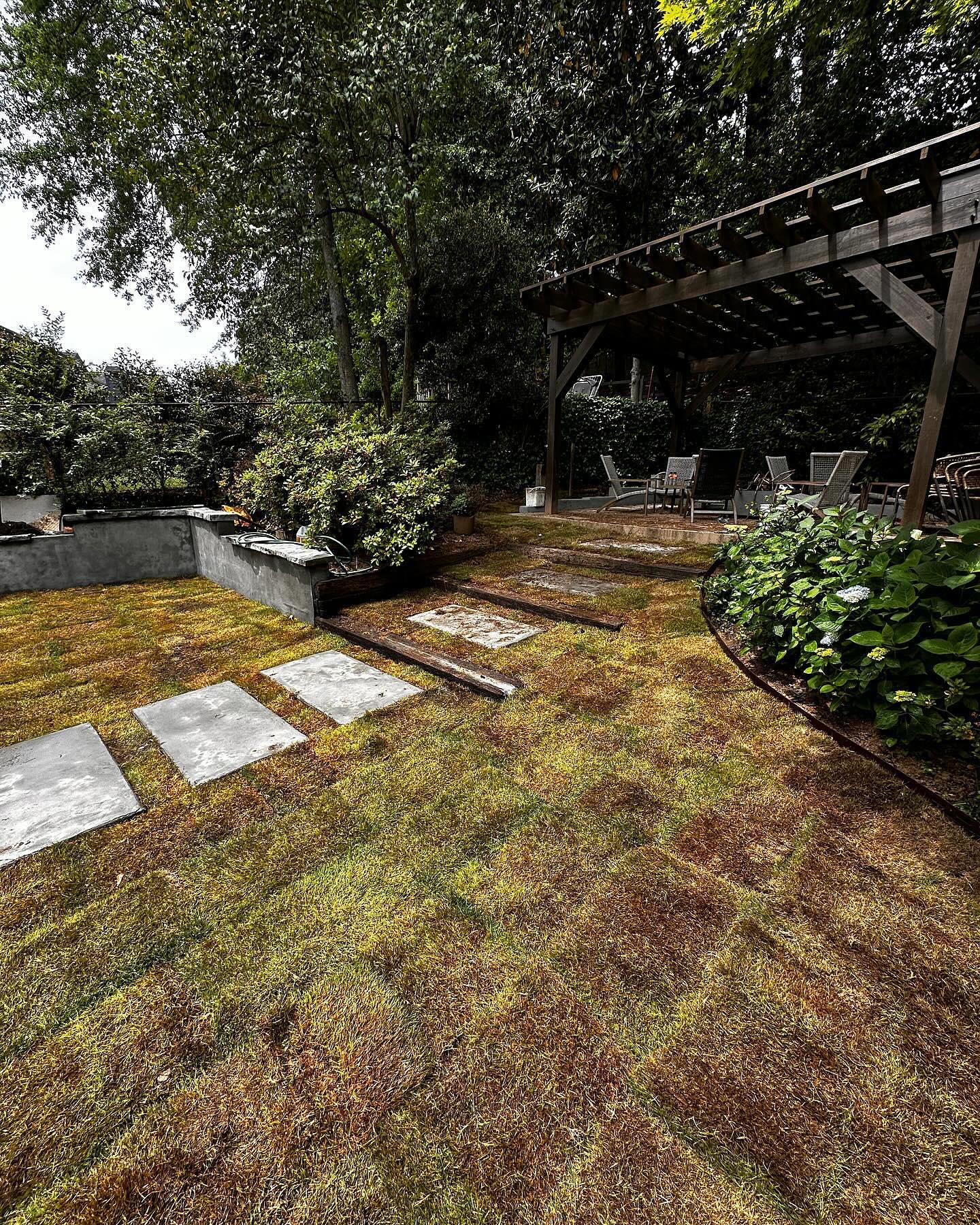
The Art of Vertical Landscaping: Elevate Your Garden With Creative Structures Apr 19, 2026
Vertical gardens can breathe life into otherwise unused spaces, such as walls, fences, or even freestanding structures. These gardens are not only aesthetic marvels but also beneficial to the environment. They provide natural insulation, improve air quality, and can even be used to grow edible plants. This article will guide you through the basics of vertical landscaping, helping you decide if this technique is right for your garden.
To start your journey into vertical gardening, consider the structural elements you plan to use. Options range from simple trellises and hanging pots to more elaborate green walls. The choice of structure will largely depend on the space available and the plants you wish to cultivate. Trellises are excellent for climbing plants like vines or roses, while wall-mounted pockets and containers are versatile options for herbs and small flowers.
Proper plant selection is crucial to the success of a vertical garden. Opt for species that thrive in the local climate and suit the sun and shade conditions of your intended space. Drought-tolerant plants are an excellent choice for vertical landscapes as they generally require less maintenance. Some popular options include succulents, ferns, and perennial flowers. For those interested in growing edibles, herbs such as thyme, basil, and mint are suitable choices that offer both beauty and functionality.
Irrigation is an important consideration when installing a vertical garden. Ensuring your plants receive the right amount of water can be challenging, especially in vertically structured gardens where water tends to trickle down. Drip irrigation systems can provide an efficient solution, delivering water directly to the plants’ root systems. Alternatively, self-watering wall planters with built-in reservoirs are a convenient option for maintaining moisture levels.
Once your vertical garden is established, regular maintenance is necessary to keep it thriving. Pruning dead or overgrown foliage is essential to promote healthy growth and maintain an aesthetically pleasing display. Regularly check for pests or diseases which can spread easily in closely packed environments. Feed your plants with appropriate fertilizers to sustain their growth and vitality throughout the growing seasons.
Vertical landscaping serves as a creative outlet for personal expression, transforming plain exterior walls into vibrant displays of color and life. By incorporating this technique into your garden, you're making a stylish, eco-friendly statement that reflects both innovation and practicality. At Hedgecraft Landscaping LLC, our experts are here to help you integrate vertical elements seamlessly into your existing landscape.
In conclusion, vertical landscaping offers myriad possibilities for those looking to elevate their garden aesthetics and functionality. Whether you're a seasoned gardener or a novice eager to explore new planting methods, this approach can revolutionize your outdoor space. Continue to experiment with new plants and creative structures, and watch how your garden evolves with this dynamic technique. Reach out to Hedgecraft Landscaping LLC, and let's create your perfect vertical garden together.
/filters:no_upscale()/filters:format(webp)/media/a7fa88c0-430b-475b-a0f0-ddd3f084a518.jpeg)
/filters:no_upscale()/filters:format(webp)/media/11619f1b-e8b7-4312-9875-480831e5764d.png)